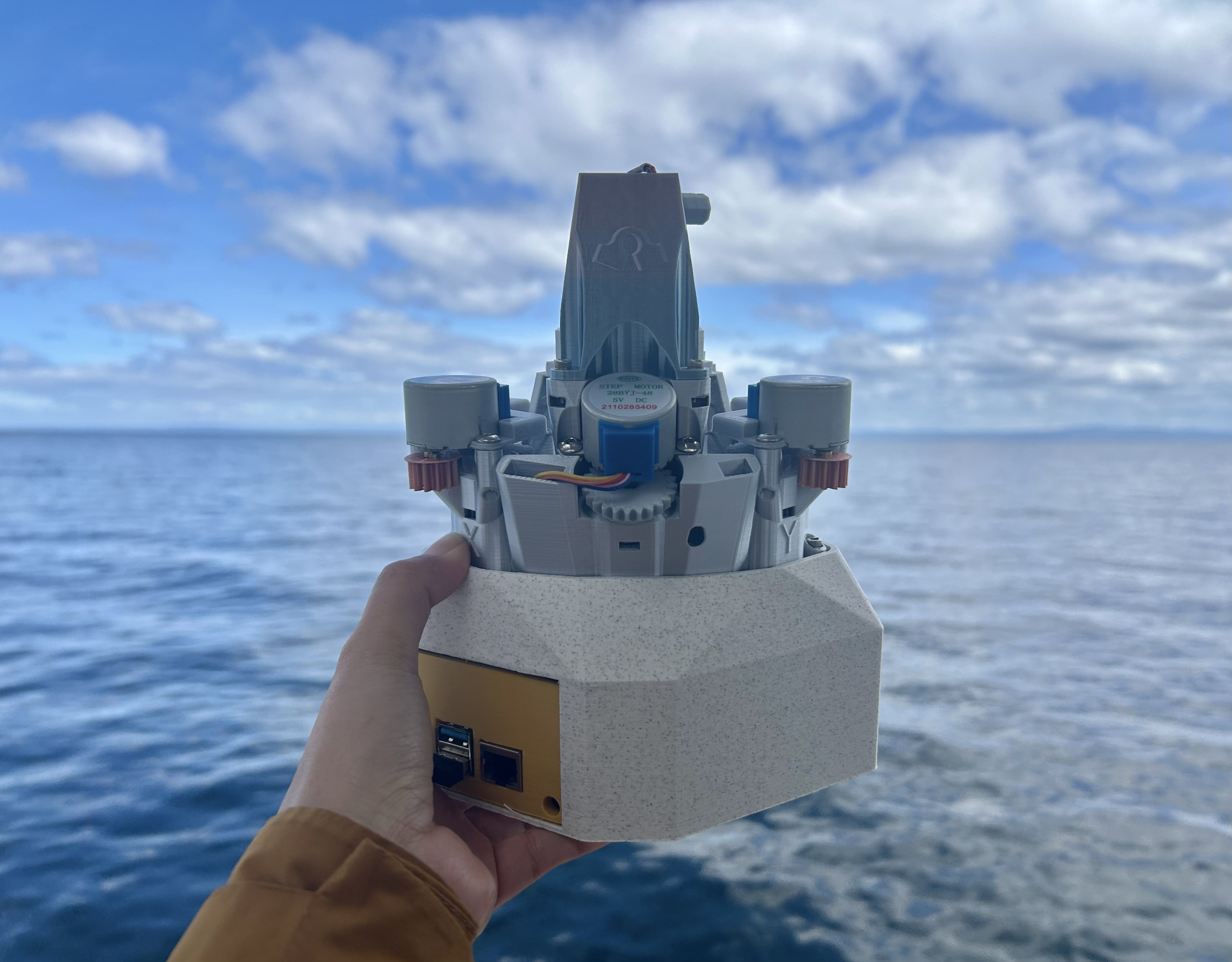
From the Lab to Patagonia: Monitoring Pathogens with Open-Source Hardware
16 Oct, 2026
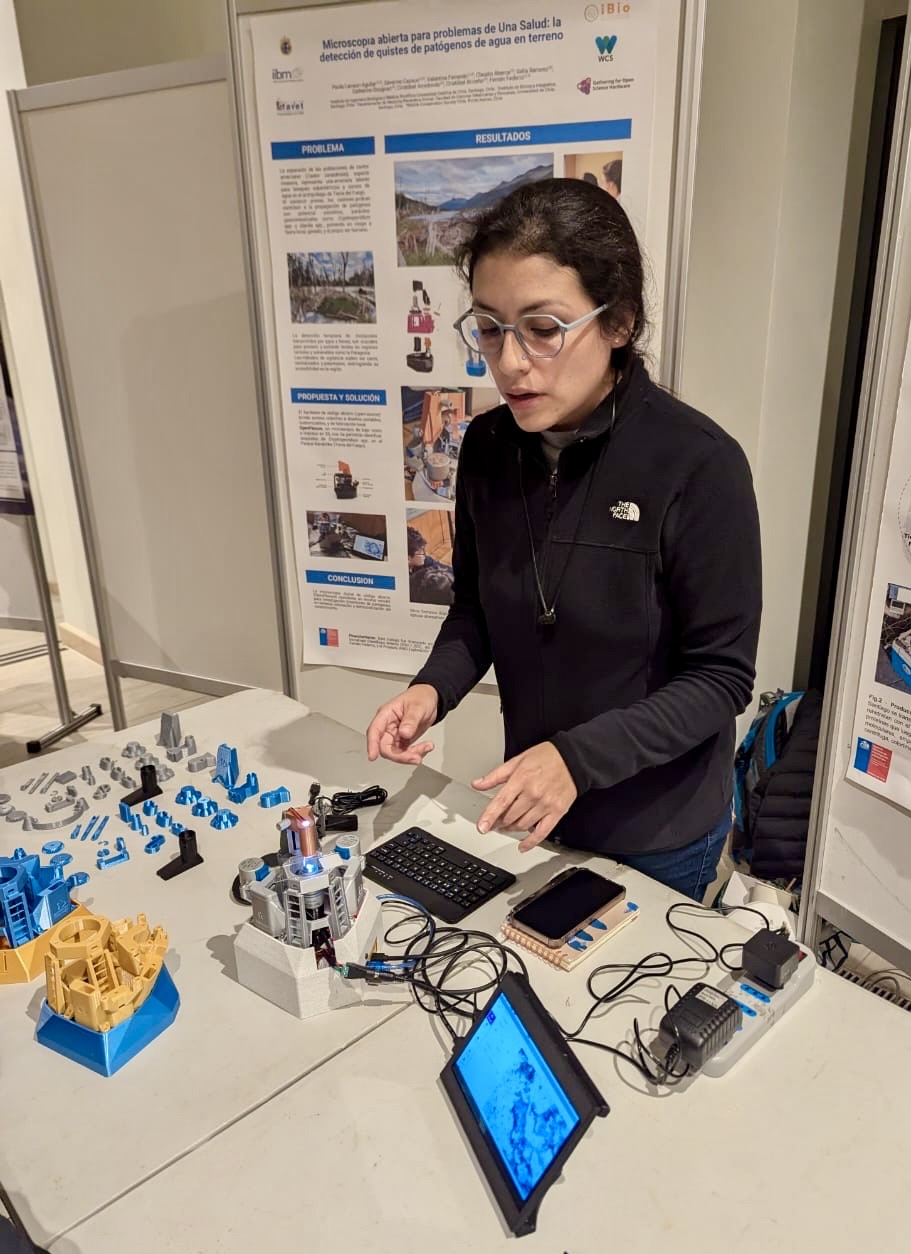
Tracking waterborne diseases in challenging, remote environments requires scientific instruments that are as tough and adaptable as the researchers using them. For Paola Larrauri-Aguilar, a biologist completing her doctoral studies in Biological and Medical Engineering at the Pontificia Universidad Católica de Chile (UC), the standard fragile, heavy, and expensive commercial microscopes simply weren’t fit for purpose.
As part of the Free Technologies Lab, Paola has spent the last five years developing pathogen monitoring strategies tailored for remote settings like Chilean Patagonia. Her research investigates how invasive beavers spread water- and faecal-borne parasites, such as Cryptosporidium spp, within the isolated Karukinka Park in Tierra del Fuego. In an area where the logistical effort required to transport samples creates major bottlenecks, the ability to bring a 3D-printed microscope directly into the field changes the entire equation.
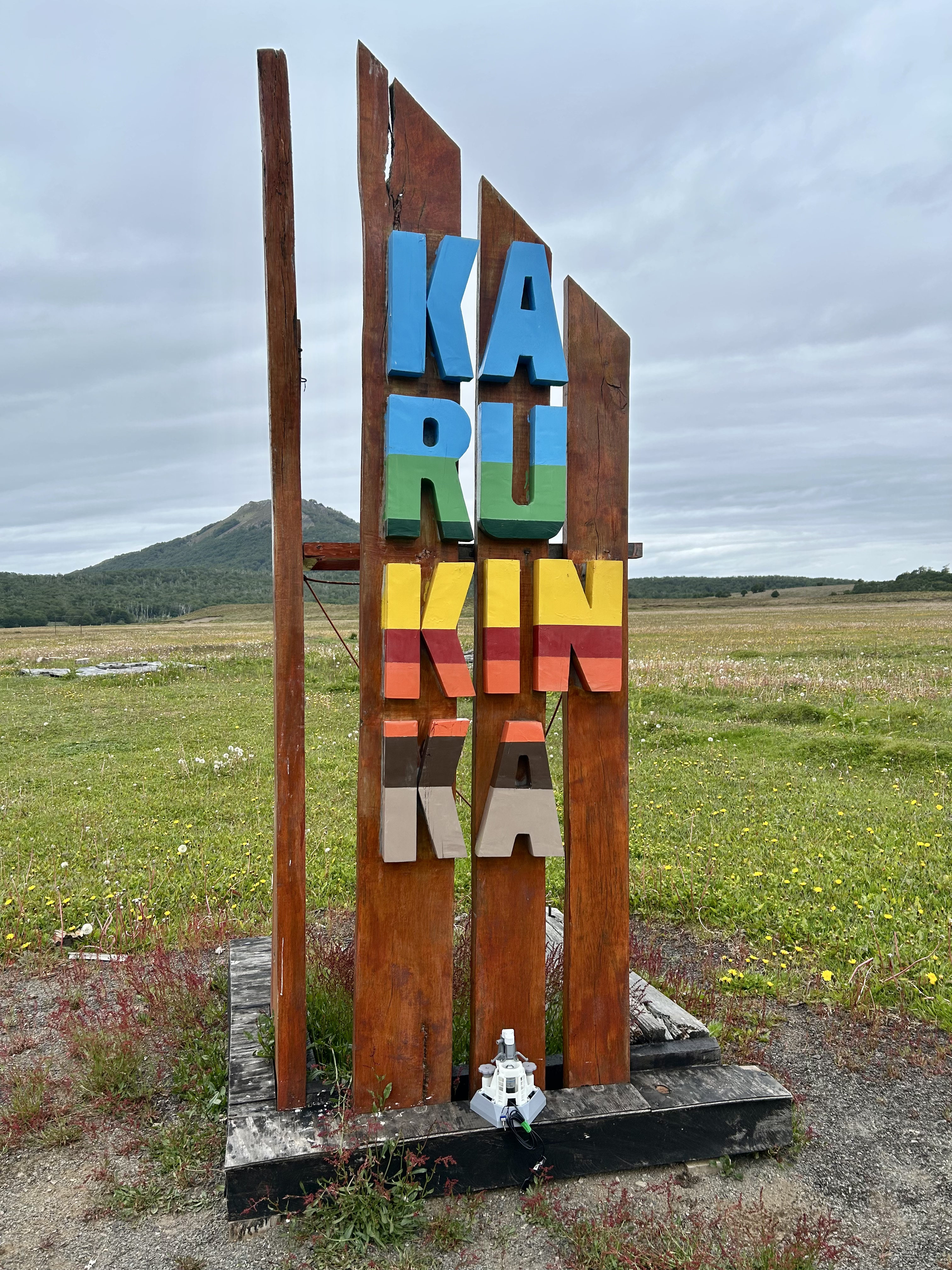
From the beginning of her doctoral research, Paola knew that the portability of her equipment would be critical. Working from a remote field camp meant that her microscope needed to be accessible and affordable, while also offering the autonomy, repairability and reliability needed for fieldwork far from a conventional laboratory.
The OpenFlexure Microscope has allowed Paola and her colleagues to significantly reduce the time between collecting and processing faecal samples. Fresh samples can be processed just minutes after collection, avoiding potential interference associated with preservatives. Working directly in the field has also helped the team optimise processing times and avoid the cost and logistical challenges of shipping samples back to the laboratory in Santiago.
For Paola, having a tool that is lightweight, portable, and entirely repairable on-site has been “not only convenient, but empowering.”
The impact extends beyond her own research. By using the OpenFlexure Microscope alongside other open-source tools in the field, Paola’s work demonstrates to park rangers, researchers and managers how accessible technologies can become part of local species monitoring and management, building local capacity to generate data in situ.
A Collaborative Culture
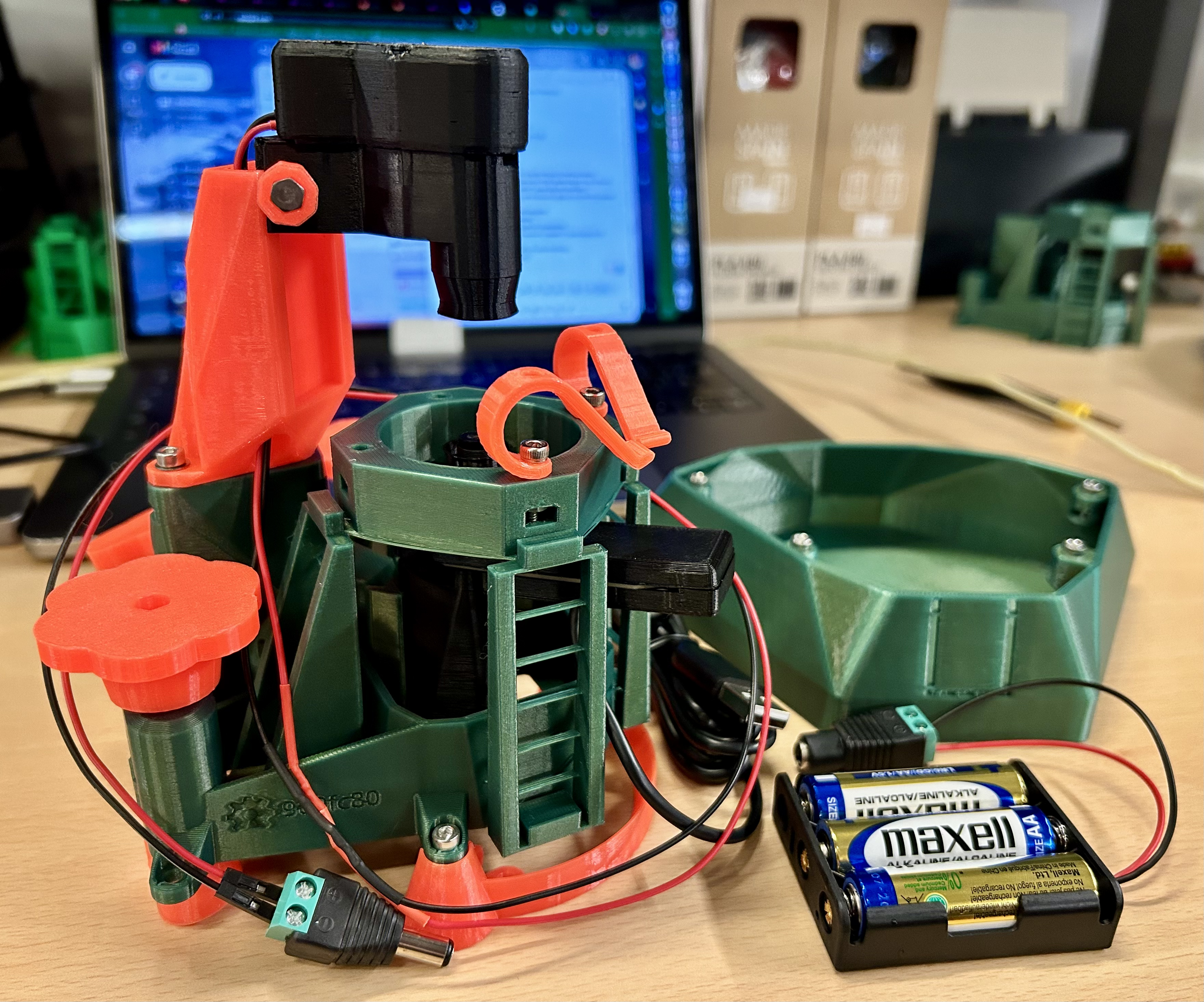
As a biologist, learning to build a scientific instrument from scratch was a revelation. Diving into the OpenFlexure project documentation, Paola quickly became immersed in the vibrant, collaborative culture of the user forum, sharing insights with colleagues across Chile, Argentina, Uruguay, and her native Peru.
This spirit of open collaboration naturally evolved into extensive community outreach. Paola has led training activities far beyond academia, engaging high school teachers, undergraduate students, park rangers and other local communities across Chile. At Karukinka Park, she has trained park rangers to use the technology, while at the Cape Horn International Centre (CHIC) in Puerto Williams, on Navarino Island, she has introduced the OpenFlexure Microscope to a diverse local audience. Together, these activities mean that people are now using OpenFlexure Microscopes to explore their surroundings in two of the southernmost places in the world.
Recently, groups of teachers and students from UC’s Biological Sciences and Education faculties assembled their own manual webcam microscopes, which they are now using to run science education workshops for younger students. These activities are part of a growing effort to make open-source microscopy not only a research tool, but something that can be built, understood and used by communities themselves.
Caracara Tech: Scaling Local Adoption
The momentum from these grassroots workshops has sparked a new, ambitious phase of the project. Paola is now part of an interdisciplinary team launching Caracara Tech, named after the adaptable raptor bird, Caracara plancus, found across the Americas.
The Caracara Tech initiative is focused on the local distribution of the OpenFlexure Microscope and the guided adoption of open-source technology for education and research in Chile. The team is developing new features tailored specifically for the manual webcam version, which is a very accessible format for classrooms, while training educational institutions to integrate these tools into experiential learning.
By providing customised tools tailored to distinct user profiles, the Caracara Tech team is ensuring that cutting-edge microscopy is firmly rooted in the local community, from high school science labs to the farthest reaches of Patagonia.