
Biodiversity for Everyone: Citizen Science with the OpenFlexure Microscope
9 Oct, 2026
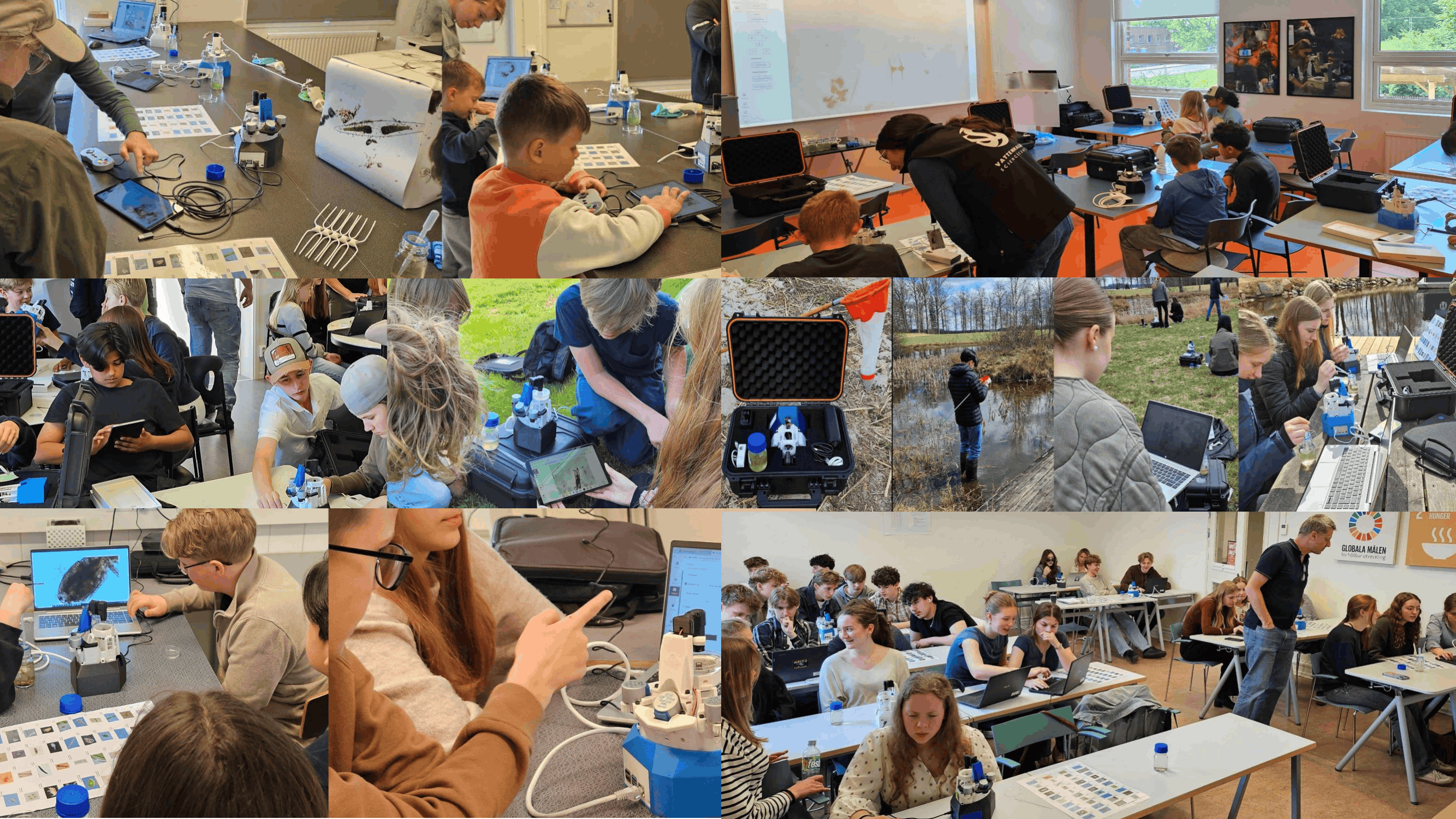
To understand a rapidly changing climate, we need extensive environmental monitoring. Yet, collecting biodiversity data is often restricted to well-funded academic circles, leaving the public disconnected from the ecosystems right outside their doors. Per Wilhelmsson and his collaborators, such as local drinking water producing company Sydvatten and national microalgae information platform Nordic Microalgae, are working to change that. They are positioning the OpenFlexure Microscope as a crucial bridge between the environmentally curious and active environmental research participation.
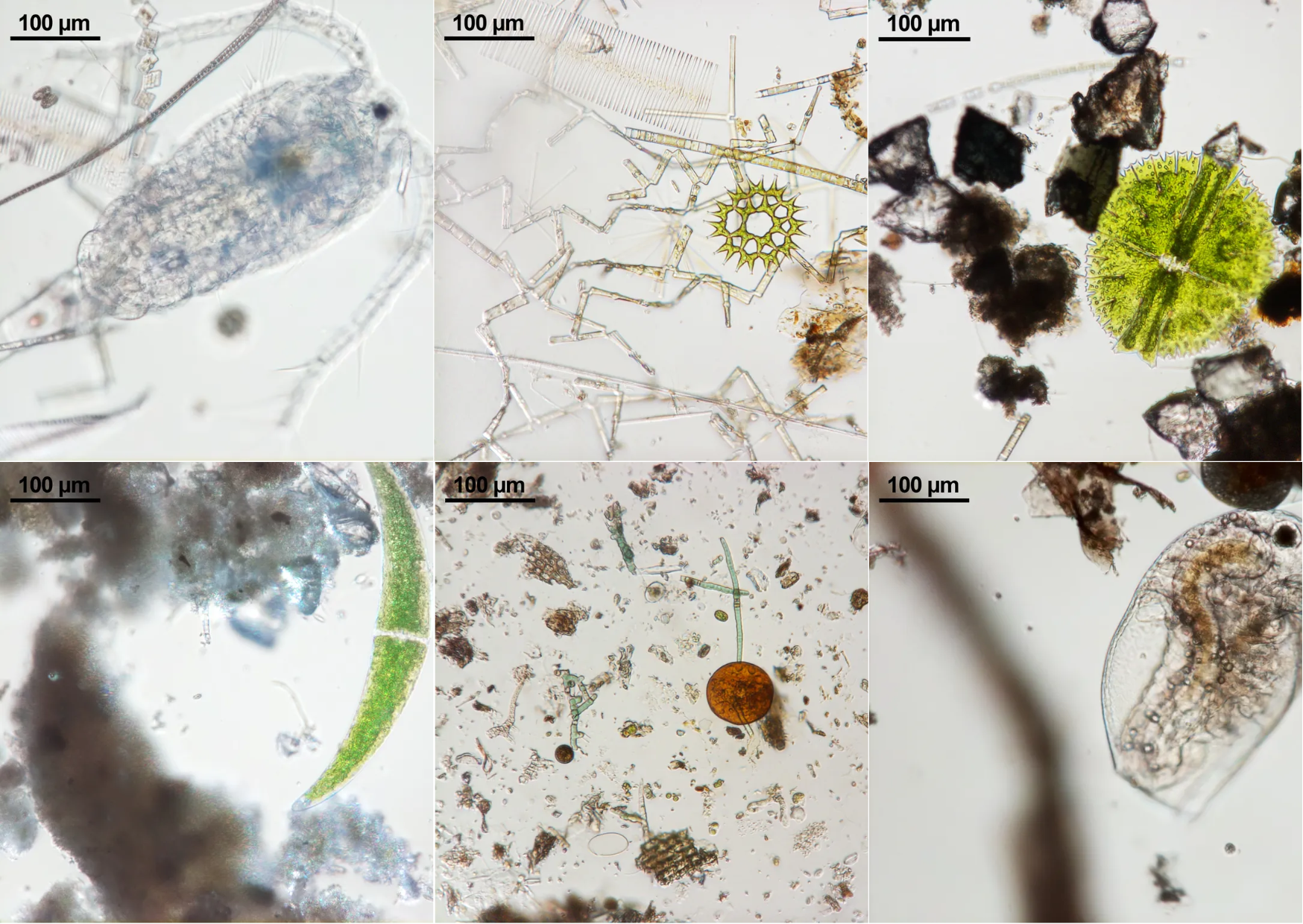
“Paradigm-shifting tools, like the OpenFlexure Microscope, pave avenues for teachers, students, as well as for the public to investigate and understand the environment,” Per explains.
By making high-quality imaging accessible, the OpenFlexure Microscope transforms environmental monitoring from an exclusive scientific endeavour into a community-driven activity. In collaboration with other actors valuing this transformation, Per has facilitated multiple microscope building workshops and demonstration events at universities, schools, and public engagement events in Sweden, Poland, the UK, and Kenya.
Looking, Learning, and Reporting
Through citizen science initiatives, Per has seen firsthand how accessible hardware can inspire local communities to observe and document their microfauna. Whether it is aimed at pedagogues, school classes, or enthusiastic hobbyists, the OpenFlexure Microscope acts as a catalyst for environmental education. It empowers individuals not just to look at their local ecosystems, but to learn from them and actively report their findings to broader research datasets.
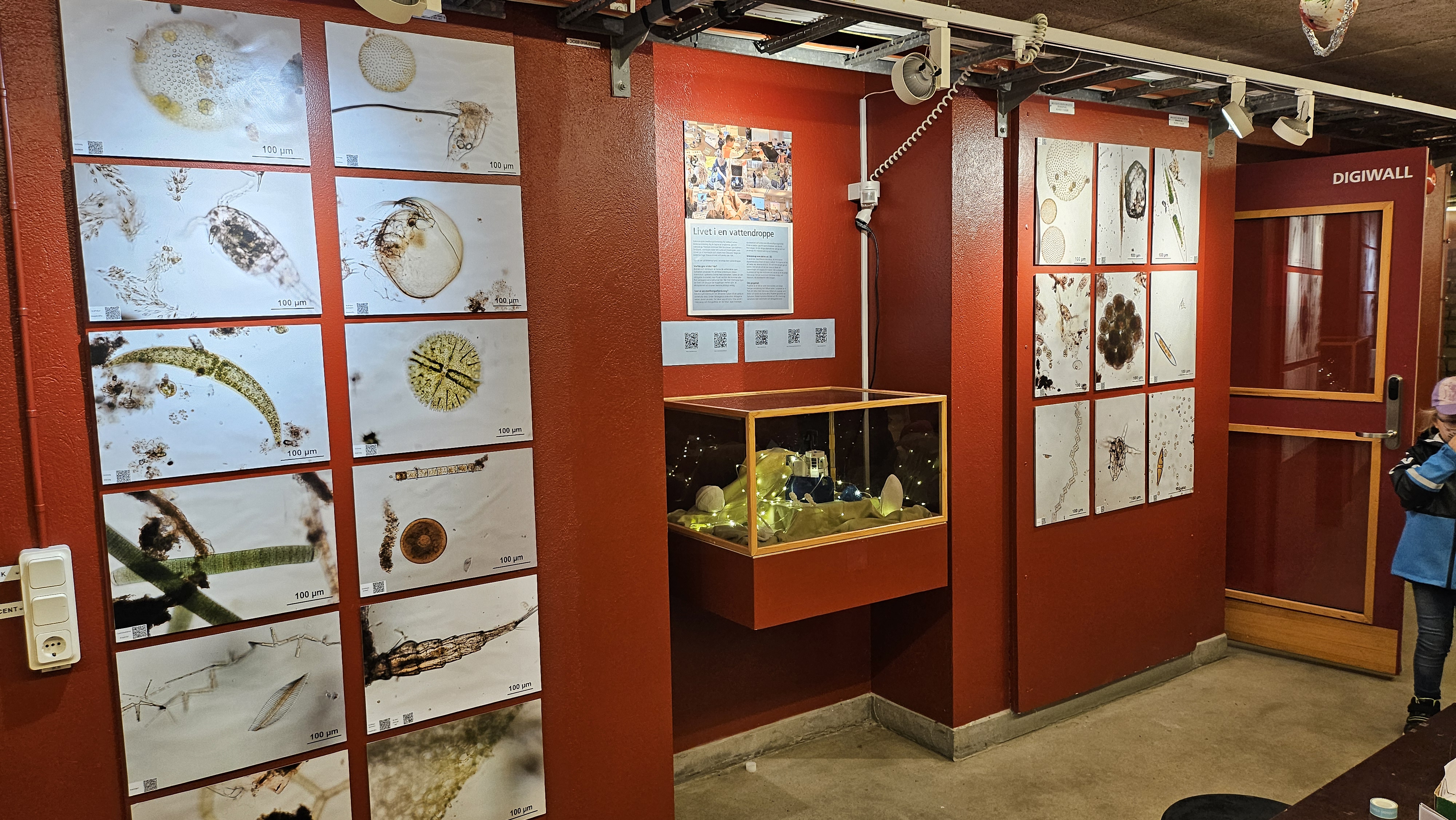
Students are often surprised by how easily they can capture photos and short GIFs of the microscopic environment. These student-created media collections have even been exhibited at the local science centre, Vattenhallen, sparking interest from other schools to build their own microscopes for projects.
Per is now expanding this outreach, incorporating the dissection configuration of the OpenFlexure Microscope into events to give users an even broader toolkit for examining the natural world. For example, during Tänk H₂O! 2026, approximately 1,000 students got to use OpenFlexure instruments to create environmental data sets.
A Megaphone for Open Source
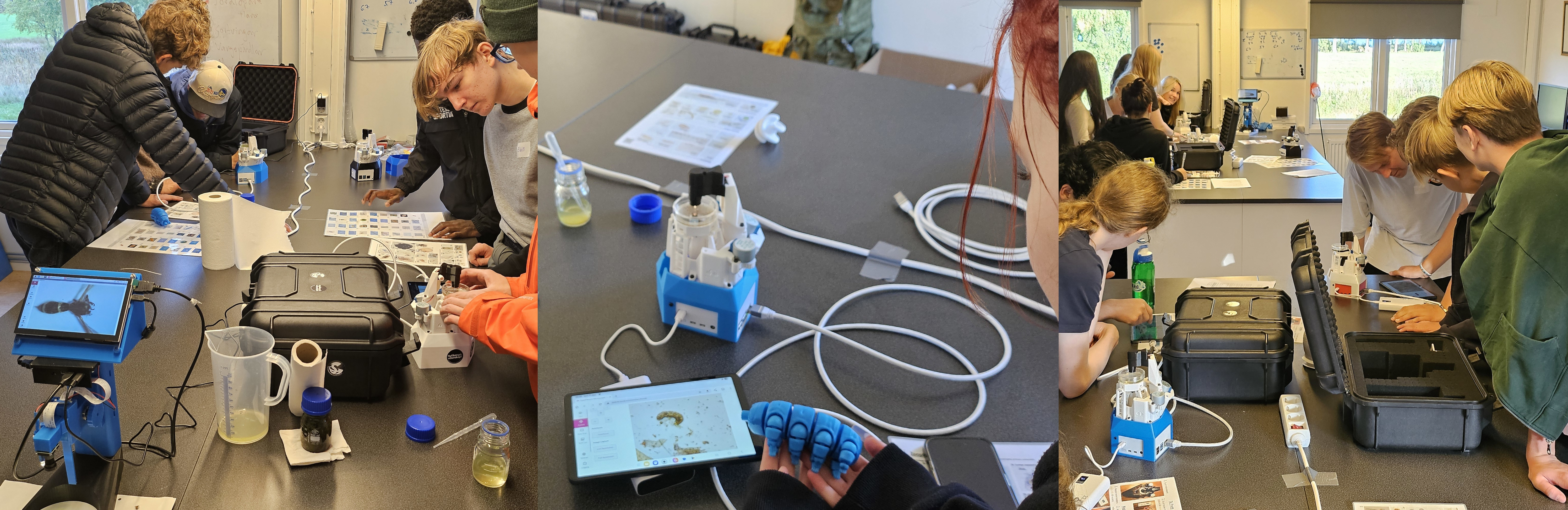
Beyond collecting biodiversity data, Per sees the OpenFlexure Microscope as a tangible ambassador for the open-science movement.
“Spreading the word of open science, open source, and open-source hardware is very important in itself, as it is still kind of a niche interest, with only a few people I’ve met having heard about it before,” he notes. “Open-source values are therefore most important to be well known in educational settings.”
There have been over 3,000 participants in Per’s OpenFlexure workshops from 2023 to 2026. Introducing the OpenFlexure Microscope into classrooms and public workshops does more than just teach biology. It introduces the next generation to a collaborative and transparent way of doing science, proving that the tools to understand our world belong to everyone.
